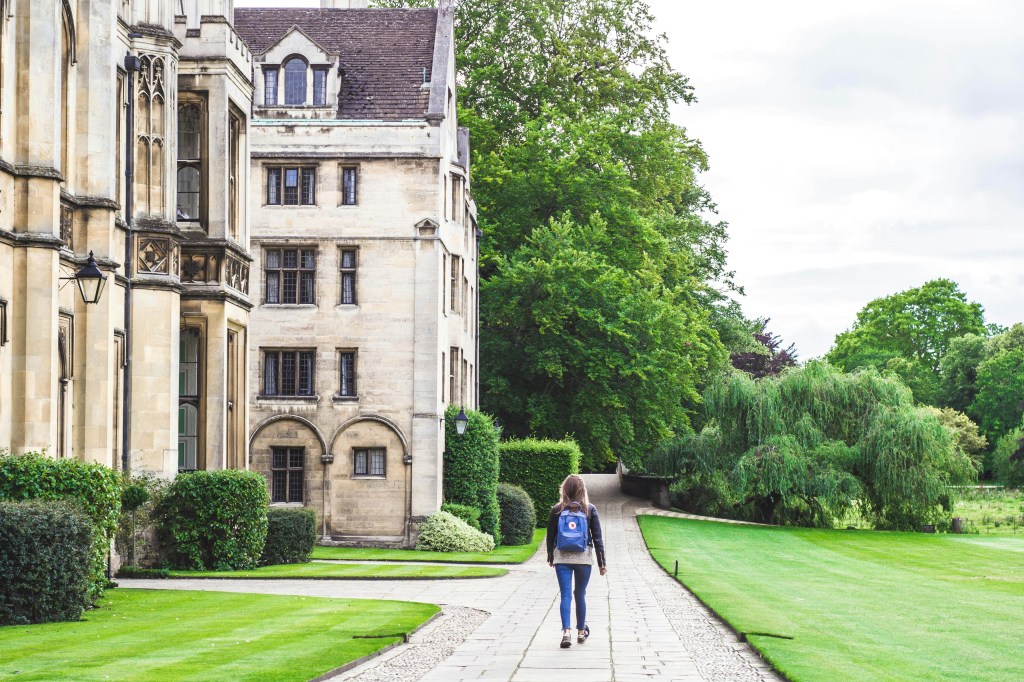
My favorite path to college for young autistics adults — though certainly not the only one — is to attend an 18-21 transition program after high school, and then go to college. I like transition programs because they are a free way for your student to retain the benefits of IEPs, polish social skills, and get job training. Students can take classes at their community college at the same time, where they can wade into the college experience. At age 21, the student will be much more ready for the challenges of college.
While the student is gaining practical skills in their transition program, parents can use that time to get onboard the system for disability benefits, which don’t fully kick in until age 21. Your student with autism may qualify for disability services, if their disabilities are severe enough to impede significant gainful employment. Can you imagine your child working in McDonald’s? Plenty of autistic people are smart enough to go to college, but their disabilities make it difficult to manage a basic minimum wage jobs. If you can’t envision your child working in McDonald’s, then you should apply for help.
Parents can get onboard the system by first applying for SSI at age 18. Here in New Jersey, The Department for Developmental Disabilities (DDD) distributes federal medicaid money at age 21. I’ll provide more details about the government support process another month. Today, I just want you to know that students, who receive SSI and DDD funding, can attend college. In fact, those funds can supplement college expenses.
Most states also have a labor department that helps support people with mild disabilities with employment. (Here’s the entire state list.) In New Jersey, this department is the Department of Vocational Rehabilitation Services (DVRS). Talking with our representative this week, she told me that DVRS will pay for college tuition provided:
1. Students must show interest and aptitude for college.
2. They must major in an in-demand occupation for the area. So, not agricultural studies in the suburbs but yes to computer programming.
3. They must have SSI or SSDI. If not, must show that — if under age 22, family income must be under $45,000 per year. If over 22, then the individual’s income must be below $45,000.
4. They will cover the equivalent of Rutgers tuition at any college, in-state or out of state.
5. They will also pay for books and supplies.
Every state has its own rules, so there’s no guarantee that your state provides this service. Yet, it’s worth a phone call to find out.
So, yes, students can receive help from the disability support system AND attend college. Hopefully, they’ll gain real skills in college that will set up them for a job that they enjoy. In the meantime, they have support during college and a great fallback plan if employment doesn’t work out.
 The Autism College Connection
Leave a comment