
Self-disclosure has become an essential skill for all autistic people at school and work. Not only does the label lead to group cohesion, it is a necessary tool for gaining access to accommodations and certain rights. And really, there’s no hiding it. Autistic differences, like many similar disabilities, are obvious to others, so it’s really better to get it all out in the open and then look for solutions to any problems.
The best way for a student to introduce themselves to a new boss or professor of a diagnosis is with a simple statement about their disability.
“Hi! I’m Sally. I have Level 1 autism, which means that I’m smart, but need help with organization. I sometimes say the wrong thing, but I appreciate it when people kindly correct me. I try to not make the same mistake twice.”
This statement should clearly identify the disability, strengths, and weaknesses. Three sentences should do the trick. The student should practice this statement like a mantra and be able to clearly repeat this script over and over without effort or hesitation. It should be said proudly and confidently. Parents and teachers will need to help their young person craft this statement and rehearse it.
If the person’s issues are more complicated than a three-sentence verbal statement, then a written note might be preferable. It still should be short, because people have limited attentions spans and patience; six or seven sentences will do the trick. People with autism often freeze up in stressful situations, so a written script might be easier in those circumstances.
Hi! I’m Sally Struthers. I have Level 1 autism. I am very good at decoding and pattern recognition, which comes in very handy with my computer science major. I need support with group discussions. If there are any changes to the syllabus, I would appreciate a notification sent to my email, because sometimes I miss verbal directions. If you need more information, please feel free to reach out to the Office of Student Disability Services. My email is sstruthers@gmool.com.
Ideally, these self-identification skills should be taught to students in every public school, as well as to their parents in special evening training sessions. A number of the college programs aimed at people with autism and similar disabilities offer this training on their campuses. Landmark College in Vermont — a college that specializes in students with autism and ADHD — has a summer program for students to get those skill before attention college elsewhere.
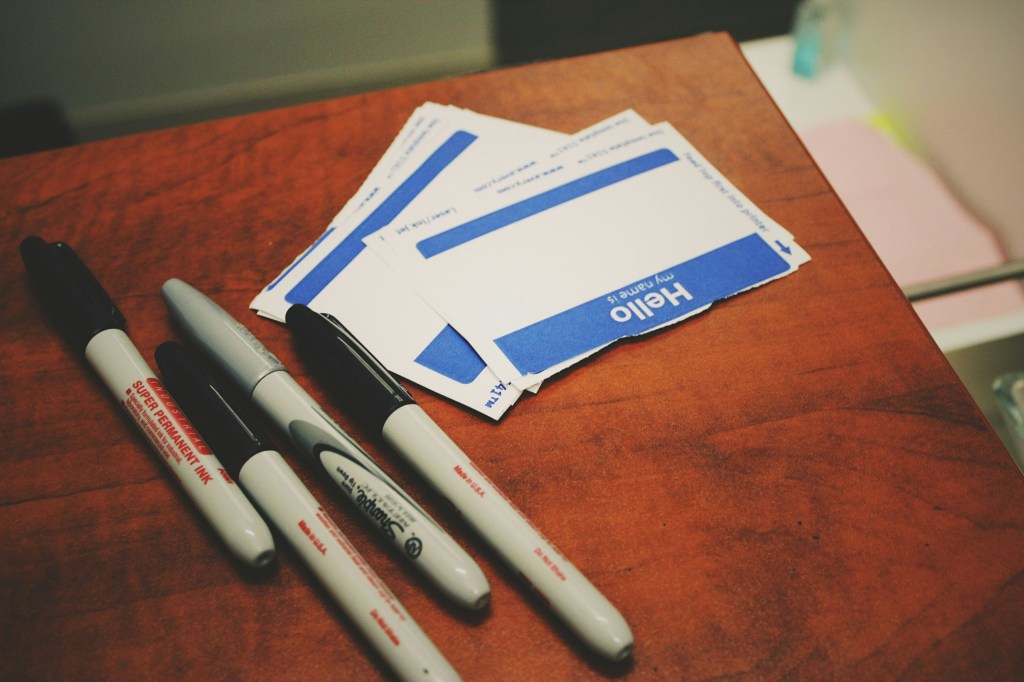
Photo by Jon Tyson on Unsplash
 The Autism College Connection
Leave a comment